12. Prisoners of War of the Japanese
Prisoners of War of the Japanese – WW2
Saluting their Service - Grahame Old
This story is in honour of those Collie Boys who struggled and died whilst being held as prisoners of war of the Japanese during WW2. Information is sourced from the Australian War Memorial (AWM). A special mention of my now deceased Father-in-Law, VX32993 Sgt D.W. Cunneen 4th Anti-Tank Regiment, who fought alongside those Collie Boys, struggled with them on the ‘Death Railway’, and then, in September 1944, was with them on board the un-marked old Japanese cargo freighter, Rakuyo Maru, when it was torpedoed by an American Submarine in the South China sea. 1318 allied POWs were being transported to Japan for more forced labour, when the freighter was sunk, 1159 died. D.W.(Bill) Cunneen survived to tell the story.
Japan enters the War
Japan entered the war in December 1941 and by March 1942 had swiftly achieved a series of victories, resulting in the occupation of most of south-east Asia and large areas of the Pacific. Singapore fell in February, with the loss of an entire Australian division.
Prisoners of War (POW’s)
Over 30,000 Australian servicemen and women were taken prisoner during the Second World War. While those who became prisoners of the Germans had a strong chance of returning home at the end of the war, 36 per cent of prisoners of the Japanese died in captivity.
During the Pacific war, the Japanese captured over 22,000 Australians: soldiers, sailors, airmen and members of the army nursing service, as well as some civilians. The wave of Japanese victories, ending with the capture of the Netherlands East Indies in March 1942. The POW’s were imprisoned in camps throughout Japanese occupied territories in Borneo, Korea, Manchuria, Hainan, Rabaul, Ambon, Singapore, Timor, Java, Thailand, Burma, Vietnam and also Japan itself. At the end of the war only 13,872 of the POWs were recovered: one-third of the prisoners had died. The Army prisoners were largely from the 8th Division captured at the fall of Singapore. Australian troops were also captured on Java, Timor, Ambon and New Britain.
Throughout the war, Changi Prison in Singapore became the main staging camp for all POWs including prisoners captured in other areas. There, the POWs were grouped into work parties designed to further the Japanese war effort. The larger work parties were designated as a Force. The Australian POWs were then sent to work in Burma (A Force), Borneo (B and E Forces), Thailand (D, F, H, K and L Forces) Formosa (now Taiwan), Indochina, Japan and Manchuria. By far the largest group were sent to Thailand to work on the notorious Thai-Burma railway construction.
The Australian Army Nursing Service (AANS)
Thirty-eight members of the AANS were also prisoners of the Japanese; eight died in captivity. In one notorious incident, 22 Australian nurses were machine-gunned as they were force marched into the ocean. The nurses had survived the sinking of their ship, the SS Vyner Brook. Only one nurse, Sister Vivian Bullwinkle, survived the atrocity.
The Thailand-Burma Railway
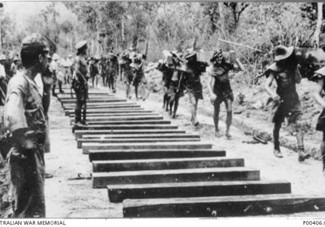
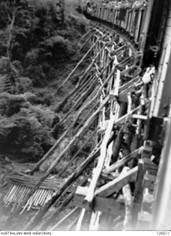
In 1942, to counter the Allies’ tightening grip on supply lines, the Japanese army decided on the construction of a railway between Thailand and Burma. It was a massive undertaking, initial estimates from Japanese engineers suggested it would take up to five years. The Japanese Army Command deemed this unacceptable and decided that POWs and local forced labourers would be used to construct the railway. All but a small section of the route was built in dense, malarial jungles, in sweltering heat and monsoon rains. Some sections, such as the infamous Hellfire Pass, required carving through tough, sheer rock.
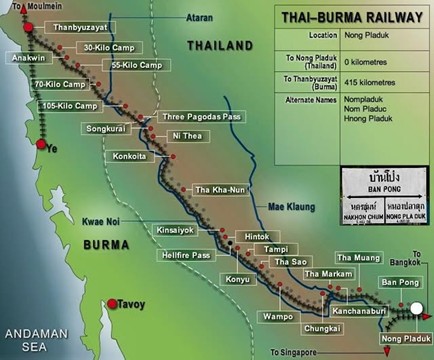
Construction commenced in November 1942 and ended in October 1943, at least 13,000 Australian POWs joined about 60,000 allied prisoners of the Japanese, and around 200,000 to 270,000 South-East Asian slave labourers, in the construction of the 412 kilometres of railway line. The line ran from Kanchanaburi in Thailand, to Thanbyuzayat in Burma. By the end, prisoners working on the rail route were calling it the Death Railway. Workers died at a rate of 20 men per day. It is said that a prisoner died for every sleeper on the railway. Australian senior officer, Brigadier Arthur Varley, himself a POW, said: “The Japanese will carry out their schedule and do not mind if the line is dotted with crosses.”
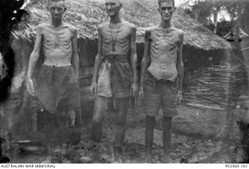
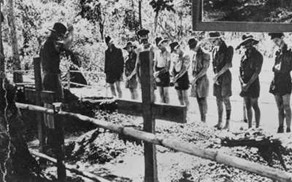
2800 Australian servicemen died building the Thai-Burma Railway. In addition, 12,000 Allied POWs (British, Dutch and American), and an estimated 75,000 to 90,000 Asian labourers also perished. Causes of death were Malaria, cholera, dysentery, malnutrition, extreme physical exertion and the brutal conditions on the "Death Railway". POWs were buried in temporary graves along the railway, after the war many were re-interned in Kanchanaburi war cemetery in Thailand. For all the death and misery caused by its building, the Railway only ever carried two Japanese divisions and 500,000 tons of supplies before the war in Asia came to a close.
Collie Boys who Died whilst POW of the Japanese
30 ‘Collie Boys’ were POW of the Japanese; they were broken, beaten, many worked to death, starved and subjected to tortures by their Japanese captors. The majority of these POWs were members of the ill - fated 2/4th Machine Gun Battalion captured in the disastrous fall of Singapore in February 1942. 13 of the ‘Collie Boys’ died whilst POW of the Japanese. POW Honour Roll shown below;
WX7905 Sgt 2/4th MG Bn Frederick John ANNESLEY
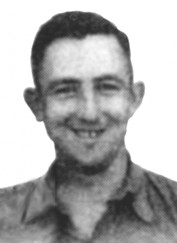
Work Force – A, (Taken POW in Java, shipped to Burma end of railway).
Date of Death – 16 September 1944, age 28.
Place of Death – South China Sea.
Cause of Death – Died at Sea (sinking of POW transport ship, Rakuyo Maru).
Cemetery or Memorial detail – Labuan Memorial Malaysia. Town Memorial Collie.
WX7883 Pte 2/4th MG Bn William Herbert BEARD
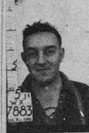
Work Force – B, Borneo (Sandakan). (Taken POW Singapore).
Date of Death – 10 July 1945, age 34.
Place of Death – Borneo (Sandakan No 2 POW camp).
Cause of Death – Illness.
Cemetery or Memorial detail – Labuan Memorial Malaysia. Town Memorial Collie.
WX13113 Spr 2/6th Field Park Coy RAE Alfred Leslie BOYDELL
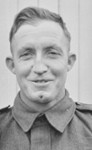
Work Force – F, Thai-Burma Railway. (Taken POW Singapore).
Date of Death – 16 August 1943, age 37.
Place of Death – Thailand.
Cause of Death – Illness.
Cemetery or Memorial detail – Kanchanaburi War Cemetery, Thailand. Town Memorial Collie.
WX7909 Pte 2/4th MG Bn Thomas DAVIDSON
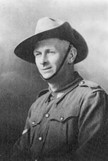
Work Force – D, Thai-Burma Railway. (Taken POW Singapore).
Date of Death – 17 September 1943, Age 33.
Place of Death – Thailand.
Cause of Death – Illness.
Cemetery or Memorial detail – Kanchanaburi War Cemetery, Thailand. Town Memorial Collie.
WX16416 Pte 2/4th MG Bn Charles HOLME
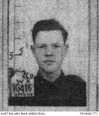
Work Force – B, Borneo (Sandakan). (Taken POW Singapore).
Date of Death – 7 June 1945, age 23.
Place of Death – Borneo (second Sandakan-Ranua death march).
Cause of Death – Illness.
Cemetery or Memorial detail – Labuan Memorial Malaysia. Town Memorial Collie.
WX17582 Pte 2/4th MG Bn George LAKE
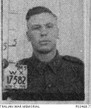
Work Force – E, Borneo (Sandakan). (Taken POW Singapore).
Date of Death – 8 April 1945, age 23.
Place of Death – Borneo (Sandakan No 1 POW camp).
Cause of Death – Illness.
Cemetery or Memorial detail – Labuan Memorial Malaysia. Town Memorial Collie.
WX8012 Pte 2/4th MG Bn Kevin George MOIR
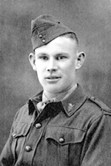
Work Force – D, Thai-Burma Railway. (Taken POW Singapore).
Date of Death – 7 August 1943, age 24.
Place of Death – Thailand.
Cause of Death – Illness.
Cemetery or Memorial detail – Kanchanaburi War Cemetery, Thailand. Town Memorial Collie.
WX7906 Pte 2nd Commando Coy Reginald Herbert MURRAY
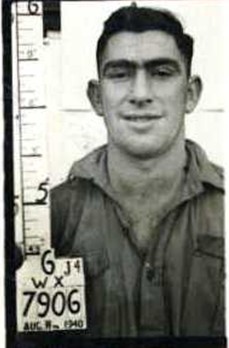
Work Force – Taken POW Timor.
Date of Death – 20 February 1942, age 24.
Place of Death – Timor
Cause of Death – Execution.
Cemetery or Memorial detail – Northern Territory Memorial, (Adelaide River War Cemetery NT). Town Memorial Collie.
WX8137 Pte 2/4th MG Bn John William Haynes NEEDHAM
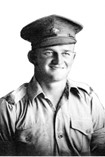
Work Force – A, Thai-Burma Railway. (Taken POW Singapore).
Date of Death – 5 December 1943, age 30.
Place of Death – Burma.
Cause of Death – Illness.
Cemetery or Memorial detail – Kanchanaburi War Cemetery, Thailand. Town Memorial Collie.
WX7902 Pte 2/4th MG Bn William Hawksley PHILP
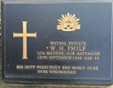
Work Force – D, Thai-Burma Railway. (Taken POW Singapore).
Date of Death – 18 September 1943, age 35.
Place of Death – Thailand.
Cause of Death – Illness.
Cemetery or Memorial detail – Kanchanaburi War Cemetery, Thailand. Town Memorial Collie.
WX7904 Pte 2/4th MG Bn Raymond Matthew SMITH
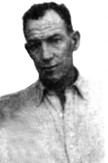
Work Force – Changi POW Camp, Singapore.
Date of Death – 19 April 1942, age 36.
Place of Death – Malaya, Changi POW camp.
Cause of Death – Illness.
Cemetery or Memorial detail – Kranji War Cemetery Singapore. Town Memorial Collie.
WX2618 Sgt 2/3rd MG Bn William James STEPHENS
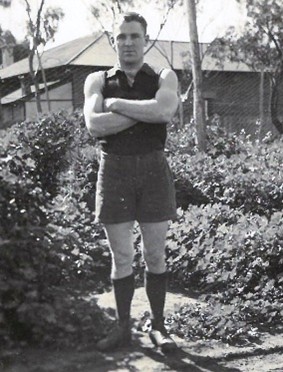
Work Force – Taken POW Java.
Date of Death – 14 September 1944, age 27.
Place of Death – South China Sea.
Cause of Death – Died at Sea (sinking of POW transport ship, Rakuyo Maru).
Cemetery or Memorial detail – Labuan Memorial Malaysia. Town Memorial Collie.
WX8548 S/Sgt 2/6th Field Park Coy RAE Ian STUCHBURY
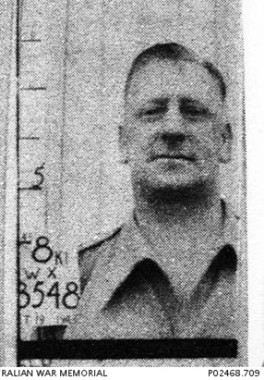
Work Force – B, Borneo (Sandakan).
Date of Death – 17 November 1944, age 42.
Place of Death – Borneo (Sandakan No 1 POW camp).
Cause of Death – Illness.
Cemetery or Memorial detail – Labuan Memorial Malaysia. Town Memorial Victoria Park Perth.
Note: S/Sgt Stuchbury is not listed on Collie Town Memorial as his place of residence was Victoria Park at time of enlistment. Born in Collie he is included in the RSL Sub Branch WW2 ‘Collie Boys’ database.
WX17973 Pte 2/4th MG Bn John WILSON
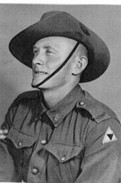
Work Force – D, Thai-Burma Railway.
Date of Death – 25 August 1943, age 36.
Place of Death – Thailand
Cause of Death – Illness
Cemetery or Memorial detail – Kanchanaburi War Cemetery, Thailand. Town Memorial Collie.
‘The Railway of Death’